Let’s talk about how sewing should be a creative and calming process, but sometimes just frustrates us. From puckered seams to skipped stitches or uneven lines, these common issues can leave you feeling stuck and ready to set your project in the “finish later” bin. But the good news is that most of these challenges can be solved in just a few minutes when you know the right adjustments to make. In this blog, we’ll walk through three of the most common sewing problems—puckering, skipped stitches, and uneven seams—and show you quick solutions you can apply right away.
1. Problem: Puckering
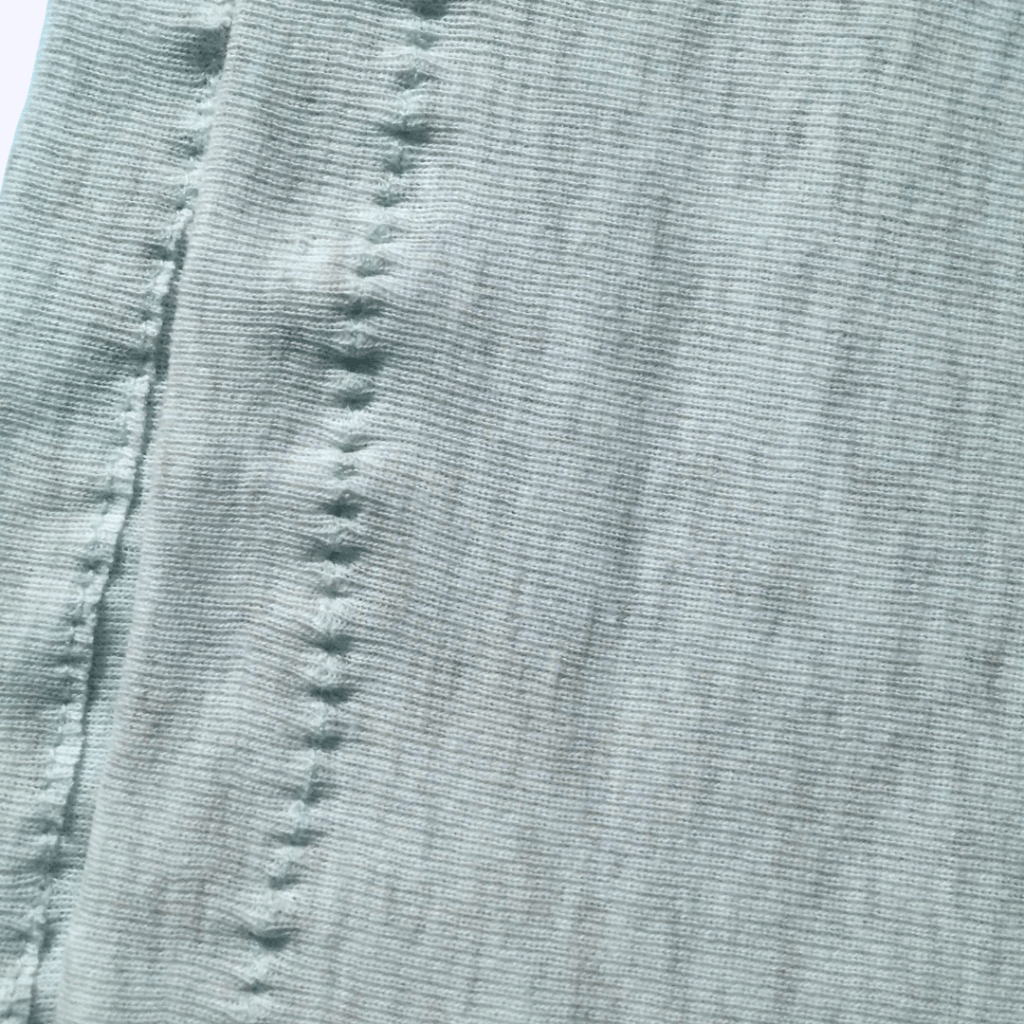
Puckering happens when fabric gathers unintentionally along a seam, often caused by using the wrong needle for the fabric. A fine, lightweight material like chiffon or voile needs a smaller, sharper needle that glides through cleanly, while sturdy fabrics like denim or canvas require a heavier needle built to handle thick layers. Using the wrong size can distort the fabric and create rippling seams.
Solution:
Match your needle to the fabric weight and adjust presser foot pressure accordingly. Lighter pressure prevents delicate fabrics from stretching or distorting, while heavier fabrics need firmer pressure to feed smoothly. JUKI machines make these adjustments quick and easy, so you can switch between projects without slowing down. Always test on a scrap first—once your settings are right, puckering can usually be solved in minutes, leaving your seams smooth and professional.
2. Problem Skipped Stitches
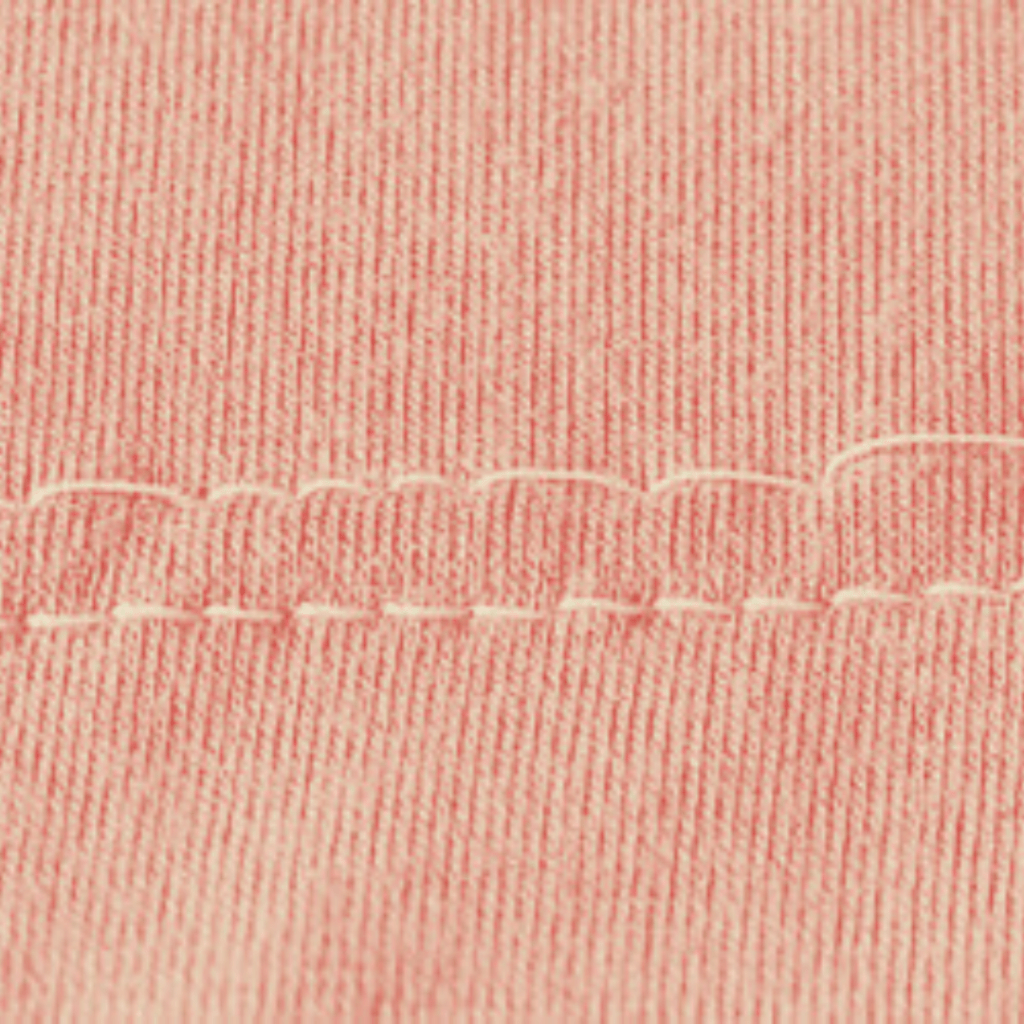
Now, skipped stitches are one of the most frustrating sewing problems because they interrupt the flow of a seam. Usually, a dull or bent needle is the most common culprit, but thread tension is often overlooked and can be the cause. If the thread isn’t seated properly in the tension discs, the machine won’t pull evenly, which can result in gaps where stitches should be.
Solution:
When threading your machine, it’s important to lift the presser foot first. This opens the tension discs, allowing the thread to slide in fully. Once the foot is lowered, the discs close and grip the thread to apply even tension. If you thread with the foot down, the thread sits on the outside of the discs instead of inside them, which leads to loose, inconsistent stitches.
Built-in features can help you manage skipped stitches more effectively. For example, needle up/down keeps your fabric anchored so you can pause and check tension without losing your place. Combined with correct threading and a fresh needle, this feature helps create consistent, reliable stitches across every seam.
3. Problem: Uneven Seams
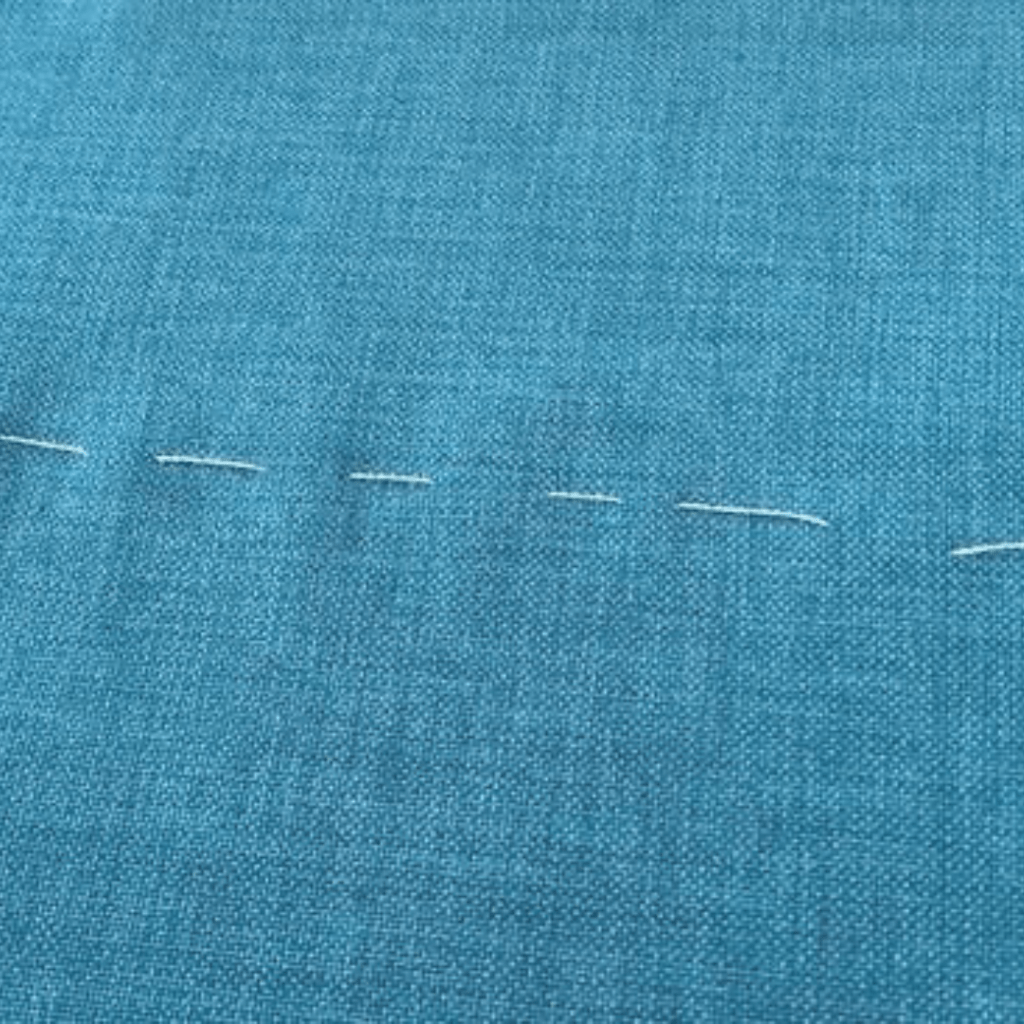
Last, uneven seams are another issue that can affect both appearance and durability. Your fabric may drift away from the seam allowance line, especially on long seams or slippery materials. Using a seam or edge guide gives you a physical marker to follow, helping you maintain steady control and improve accuracy.
Solution:
Stitch length also plays an important role in seam quality. Short stitches on thick fabrics can look crowded and cause bunching, while long stitches on lightweight fabric can appear unbalanced and wobbly. Adjusting stitch length based on the material keeps seams looking clean and uniform. A quick test run on a scrap piece can help you find the right balance before sewing your final project.
Machine features like stitch memory allow you to save and repeat stitch settings, ensuring your adjustments stay consistent throughout a project. When combined with edge guides and precise stitch length, these tools make uneven seams much easier to manage. Instead of redoing your work, you’ll be able to correct and continue with confidence.
Quick Fixes with JUKI Features
While sewing challenges like puckering, skipped stitches, and uneven seams can appear on any project, the right features make them quicker to solve. Presser foot pressure adjustments, needle up/down, stitch memory, and automatic thread trimming all help reduce errors and make troubleshooting faster. Small corrections often take less than ten minutes when you have these options built into your machine.
This month, JUKI is highlighting two models in our promotion: the Kokochi DX-4000QVP with Expert Edition Bundle and the Akane MO-3000QVP. Available with 0% financing for 24 months through Synchrony, these machines combine advanced features with ease of use, helping sewists tackle projects with greater precision and creativity. The Kokochi DX-4000QVP EE is designed for versatile sewing and quilting, while the Akane MO-3000QVP brings professional-quality finishes to every seam.
For more guidance, please refer to your machine manual, visit our YouTube channel JUKIHomeSewing for tutorials, or email us at home@juki.com with your questions. You can also connect with your local JUKI dealer for personalized support, classes, and training. With the right knowledge and tools, you’ll be able to tackle challenges quickly and keep your sewing process enjoyable!
 sewinwithjuki.com