When it comes to sewing, tension is one of those subtle but essential details that can elevate your work from homemade to professional. Proper tension ensures your stitches are even, your seams lie flat, and your finished pieces look polished and durable. For many sewists, understanding tension can feel intimidating, but it doesn’t have to be. With a clear grasp of how tension works and how to adjust it, you can handle a variety of fabrics, threads, and stitch patterns with confidence! Whether you’re tackling a delicate silk blouse or a heavy denim tote, knowing the right tension settings is a key skill for every sewist.
Even experienced sewers sometimes overlook tension until they run into issues like puckering, looping, or uneven stitches. Learning to recognize these signs and respond quickly not only saves time and frustration but also improves the quality of every project you make. By mastering tension, you’re not just fixing problems; you’re gaining control over your machine and your creativity. That’s why we’re diving into the basics of tension: what it is, when to adjust it, and how JUKI machines help you master it with ease.
Upper vs. Lower Tension
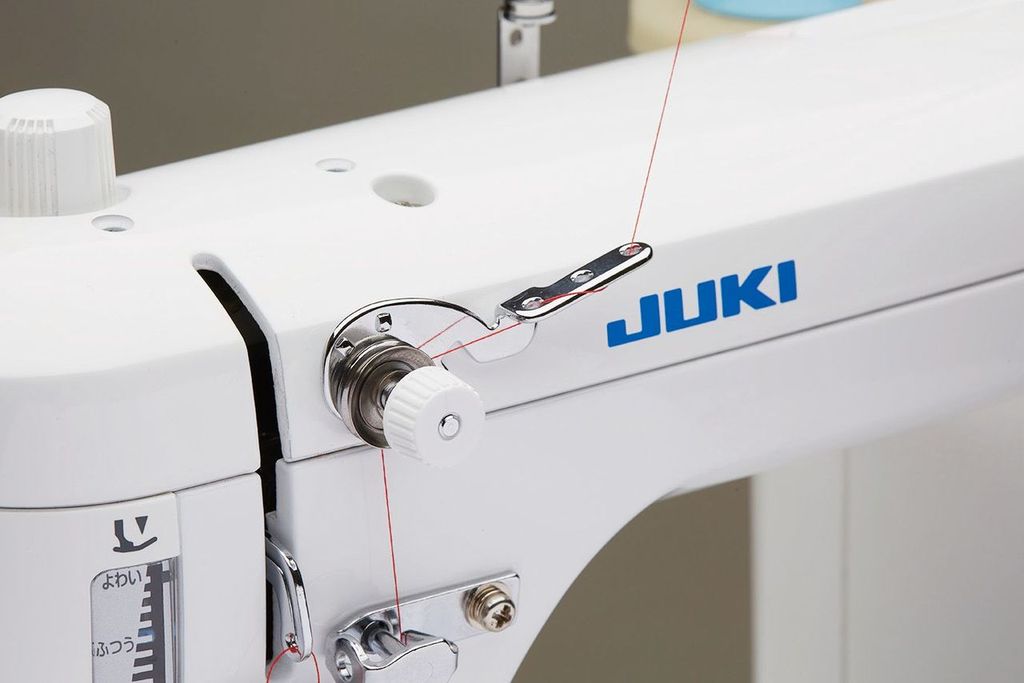
Sewing machines rely on two main sources of tension: the upper thread and the lower thread from the bobbin. Upper tension controls how tightly the top thread is pulled through the fabric, influencing how the stitch looks on the front. If it’s too tight, you might see puckering or fabric distortion; too loose, and loops may form on the underside.
Lower tension affects how the bobbin thread interacts with the upper thread. If the bobbin tension is off, the back of your fabric may show loops, uneven stitches, or weak seams. Understanding this balance is key to achieving neat, consistent stitching.
The relationship between upper and lower tension is like a dance; both threads need to work together smoothly. Even a small adjustment on one side can drastically affect stitch quality, especially when working with challenging fabrics or decorative stitches. Observing your stitches carefully and practicing with different settings can help you intuitively feel when adjustments are necessary. Over time, adjusting tension will become second nature, and you’ll be able to troubleshoot issues almost instantly.
When to Adjust
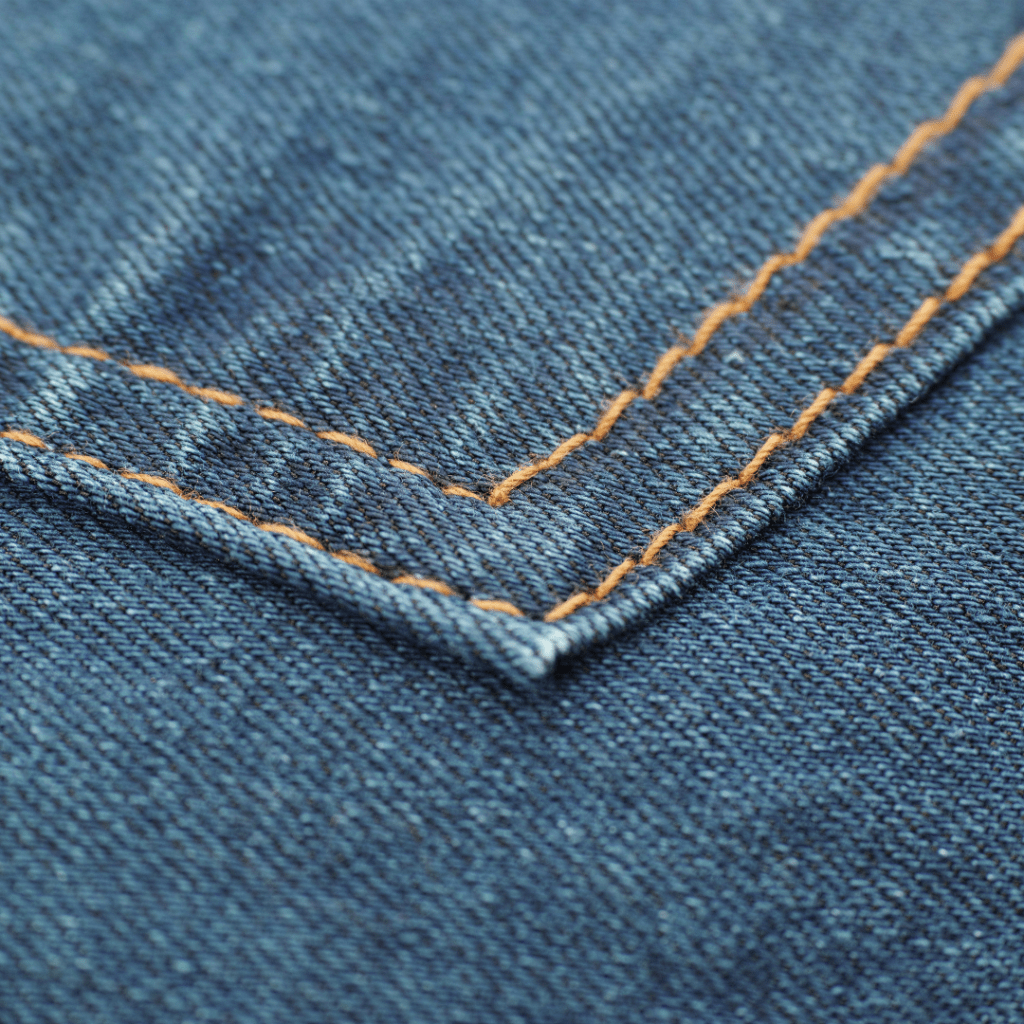
Tension isn’t static; it should change based on your fabric, thread, and stitch type. Lightweight fabrics like chiffon or silk generally need looser tension to prevent puckering, while thick or multiple-layered fabrics like denim or canvas benefit from slightly tighter tension for strong, balanced stitches. Threads also vary in thickness and elasticity, which can affect how the upper and lower threads interact. Specialty threads, such as metallic or decorative threads, often require fine-tuning to prevent breakage or uneven stitching.
Different stitch types can also demand tension adjustments. Straight stitches, zigzag stitches, decorative stitches, and quilting stitches all interact with the fabric in unique ways. For instance, a zigzag stitch on a stretchy knit may need looser tension than a straight stitch on woven cotton. By understanding when and why to adjust your tension, you’ll not only avoid common sewing issues but also enhance the durability and appearance of your finished projects.
JUKI Features That Make Tension Easy
Our JUKI machines come packed with features that make tension adjustments intuitive and stress-free. Manual tension dials allow precise control over the upper thread, giving you the flexibility to tweak your settings for different fabrics and threads. With clear markings and easy-to-turn dials, making adjustments is faster and less intimidating, even for beginners.
Many JUKI machines also include automatic tension systems, which take the guesswork out of stitching. These systems detect the fabric thickness and thread type, adjusting tension automatically for balanced, consistent stitches. This is particularly helpful for sewists who frequently switch between projects or work with tricky fabrics, ensuring professional results without constant manual adjustments.
Thread guides and setup recommendations further simplify the process. JUKI machines provide clear threading paths and tension suggestions for a variety of stitch types. Even when using decorative or specialty threads, these guides help prevent common issues like skipped stitches or thread breakage. By combining manual control, automatic assistance, and helpful guides, JUKI machines make mastering tension far more approachable for all skill levels.
JUKI Machines for Tension Control
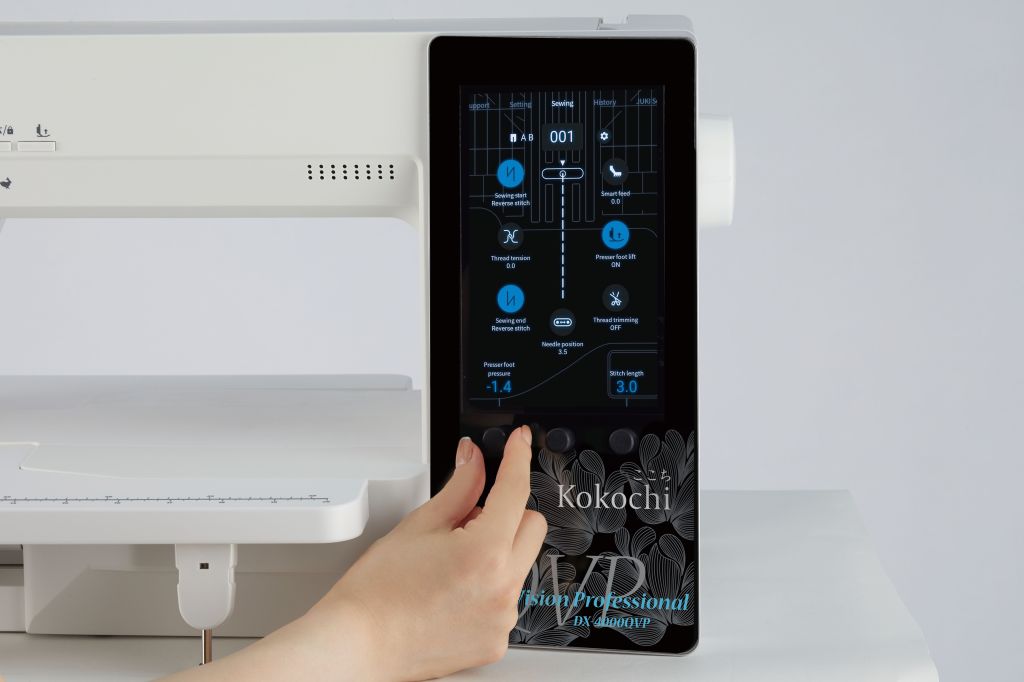
If you’re ready to take your sewing to the next level, two JUKI machines stand out for their advanced tension features and user-friendly design. The Kokochi DX-4000QVP EE, computerized sewing machine, offers innovative technology, including intuitive settings and automatic adjustments that make handling tension easy, even on complex projects. For sewists who love overlock serging, the Akane MO-3000QVP delivers precision and versatility, ensuring clean, balanced stitches across a variety of fabrics.
Both machines are built with JUKI’s quality engineering, giving you the confidence to explore new techniques without the worry of uneven stitches or constant troubleshooting. And this month, they’re more accessible than ever; available with 0% financing for 24 months through Synchrony at your nearest dealer. It’s the perfect time to invest in a machine that will grow with your skills while simplifying the tension process.
Mastering tension is possible! The best way to learn is through practice. Experiment with different fabrics, threads, and stitch types, and watch how small adjustments can transform your results. Learn better with visuals? Check out our YouTube Channel here and locate your machine’s playlist! We cover tension and machine setups to help you get started on your next project.
 sewinwithjuki.com