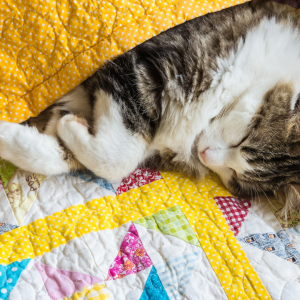
Imagine taking your quilting skills to the next level by stitching intricate, custom designs with total creative freedom! That’s the magic of free-motion quilting (FMQ). This technique, paired with the right presser feet, gives you the freedom to stitch any pattern you can imagine, making your quilts truly one-of-a-kind.
Whether you’re a beginner or an experienced quilter, FMQ offers limitless possibilities for artistic expression. But how has FMQ become a beloved and popular technique? Let’s take a closer look at its history and why quilters everywhere are embracing its creative potential!
Free motion quilting began gaining popularity in the 1980s and 1990s as quilters looked for ways to break free from traditional stitching constraints. Unlike traditional quilting, where the sewing machine feed dogs (the mechanism that moves fabric) helped control the fabric’s movement, free motion quilting disables those feed dogs, allowing the quilter to move the fabric in any direction. This technique opened up endless design possibilities, from swirls and flowers to geometric patterns! Free motion quilting is perfect for customized, intricate stitching that can’t be achieved with basic straight lines, making it a favorite among quilters.
Benefits and Uses
Allowing you to move the fabric in any direction to create intricate designs without the restrictions of the feed dogs, FMQ opens up endless possibilities for creativity and allows quilters to create unique and one-of-a-kind pieces. With the right quilting foot, you can achieve smooth, even stitches while minimizing puckering. Its versatility also makes it perfect for a wide range of projects, including quilts, home decor, clothing, and accessories, adding texture and dimension to any fabric-based creation!
Essential JUKI Free Motion Quilting Feet
At JUKI we offer multiple feet that will elevate your free-motion quilting, but let’s focus on the 4 below:
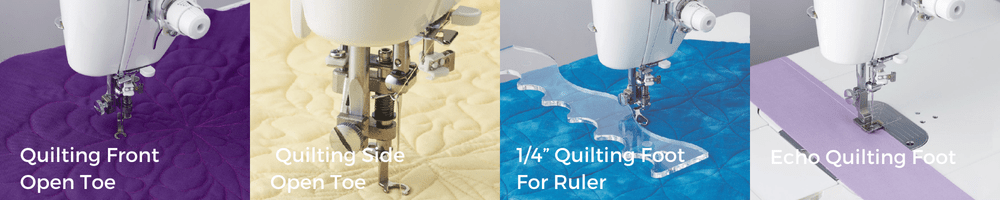
- Quilting Foot Front Open Toe: Provides excellent visibility, making it easy to see every stitch. Ideal for delicate stippling or small, intricate designs.
- Quilting Foot Side Open Toe: Features a side opening for added ease of movement, giving you more space to move the fabric freely, perfect for swirling patterns or feather designs on larger quilted areas!
- 1/4” Quilting Foot (For Ruler): Designed to work with quilting rulers, this foot ensures precise 1/4″ seam allowances and perfect straight lines for ruler-based quilting techniques.
- Echo Quilting Foot: Creates evenly spaced echo lines around shapes, adding depth and texture to quilt blocks and appliqué designs.
Tips for Quilting and Sewing
- Start Slow: When you’re new to free-motion quilting, go slow and focus on maintaining a steady rhythm with your fabric movement, the bunny speed is your friend here!
- Practice Makes Perfect: Try quilting on a small practice sandwich (fabric, batting, and backing) to build muscle memory and refine your technique.
- Light Grip, Easy Movement: Guide the fabric gently without excessive pulling or pushing to maintain smooth, even stitches.
- Choose the Right Thread: Cotton provides a matte finish and smooth stitching, while polyester offers strength and elasticity. Most quilting projects use a 40-weight thread, but a 50-weight thread is good for finer, more delicate designs, and a 30-weight thread works well for larger, bolder patterns. Always match the thread weight to the design—finer threads like 50-weight are perfect for small, intricate patterns like stippling, while heavier threads like 30-weight add texture to larger designs. For consistent results, use the same thread type for both the top and bobbin to prevent tension issues and ensure smooth stitching.
- Keep Your Hands Steady: Move the fabric gently and steadily with both hands—one on the top and one on the bottom—to avoid erratic stitch patterns. There are also tools like paddles or quilting rings that can help make this part smoother.
For more tips on setting up your machine for free motion quilting, check out our step-by-step video guides here.
Creative Ideas for Projects with FMQ
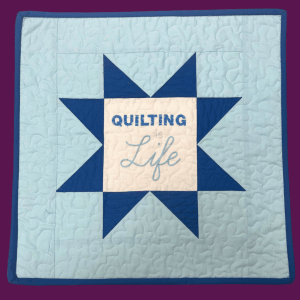
The free-motion quilting feet open up endless possibilities for creative projects, allowing you to add custom designs and intricate stitching to a variety of projects! You can create beautiful quilted wall hangings that have personalized patterns or bold, creative designs for pillow covers that bring flair to your home. This technique also shines when working on custom quilts, whether for special occasions, as gifts, or for everyday use!
Besides quilts and home decor, the free-motion quilting feet options are perfect for adding dimension and personality to accessories like bags, purses, or even clothing! The versatility of the free-motion quilting foot makes it an ideal tool for any project where you want to infuse creative stitching and texture, whether you’re working on large quilts or smaller items that benefit from a bit of extra detail.
Ideas for Downloadable Practice Sheets:
To help you get started with free motion quilting, downloadable practice sheets can provide a structured way to learn new designs. Here are a few we’ve created for beginner quilters!
- Loopy loops
- Woodgrains
- Pebbles
- City Terrace
Free motion quilting is an exciting way to take your quilting projects to the next level, allowing you to add personal touches, intricate designs, and creative textures with ease. Whether you’re just starting out or looking to refine your skills, using the right free-motion quilting foot and practicing different patterns will help you gain confidence and control. With the right tools, techniques, and practice sheets, you can transform ordinary quilts into stunning works of art!
Ready to get started? Grab your free motion quilting foot, download our practice sheets, and start stitching your way to beautiful, custom quilting designs today!
 sewinwithjuki.com