When creating a project, there are three key things you need to match for the right stitch. You want to have the correct needle, thread, and fabric mixed together to get that high-quality look you want in your projects.
When you create with the wrong thread, you might notice skipped stitches, thread breakage, and issues with stitching. But how are you supposed to know which thread to work with? Today we will cover the more popular types of thread options and which fabrics and projects you want to use them in. We’ll also explain how to read the thread spools and the different weight options you can pick from.
The Sewing Thread Types
Let’s start by covering the different types of thread options out there for sewists and quilt creators. Depending on your project and fabric, you’ll want to choose a thread that can handle stretch, for example, if you’re working on a t-shirt sleeve or something like wash-away thread, which embroidery creators love. Let’s go over a few basic options.
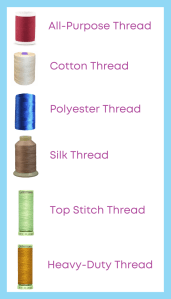
- All-Purpose Thread: usually available in cotton, polyester, or cotton and polyester blends, this thread material is suitable for most projects! You’ll find that this thread type is true to its name and can be used in home décor, garments, and more.
- Cotton Thread: this thread usually allows for a minimal stretch and can deteriorate over time when left in the sun. It has an almost matte appearance and is flexible.
- Polyester Thread: this is versatile for your project needs! Good choice for most sewing projects. This thread is strong, heat and mildew resistant, and in many colors. This thread also has a wax or silicone finish, which means the thread can slip easily through the fabric when stitching.
- Silk Thread: a strong thread; this one is very smooth and usually has a shiny quality on the material.
- Top Stitching Thread: durable and thick, this thread is meant to create strong and bold stitches on your projects that are intended to be seen. For example, the topstitching on your jeans.
- Heavy-Duty Thread: a polyester thread, the heavy-duty thread is not suitable for most projects as it can break fabric, but it is a heavyweight and durable thread that can handle a lot of wear and tear for outdoor projects or interior furniture.
Now spools come in different lengths besides the thread type, so confirm how much you’ll need before purchasing. Some creators can get by with a spool of thread with anywhere from 600-1,420 yds, while others may choose to work with a cone with anywhere between 2500-3,280 yds. Buying in bulk if you’re an avid creator can save you costs!
You can find the weight of a thread by reading the numbers on your spool! You’ll notice numbers like 30 wt., 40 wt., and 50 wt. being used refers to the length of thread found in a certain quantity of weight. For example, 30 wt. means 30,000 meters of thread weighs 1,000 grams. The weight of your thread can affect how your project might pucker or the fabric might react to the stitch. Keep in mind the lower the number, the heavier the thread weight.
Also, some spools will tell you what needle to use with that thread! Just check on the sticker, either placed inside or under your spool.
Check out our blog here to learn more about which needle to use.
Combining Thread and Fabric
Now that you know the different thread options available, you’ll need to decide which thread type best fits your project. Depending on the fabrics you’re using and the wear and tear you expect your project to experience, you’ll want to find a thread type that can handle the stitching. Below we’ve covered a few popular combinations we can recommend for your project creations.
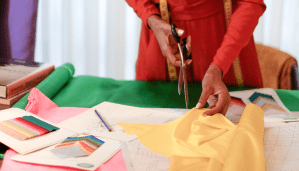
Garment Creators: if you’re a garment creator who works with common fabrics such as cotton, linen, and polyester, you have a few options that will allow you to create quality stitching. All-purpose thread is available in various thread types, so you can choose polyester, cotton, or a combo. If you’re creating garment pieces with a lot of stretch, like a neckline, polyester would be your best choice, thanks to the strength of the thread. Cotton or combination type is a good choice if you’re stitching a flowier project like a skirt.
If you’re creating jeans or a heavy material look, you’ll want to look into topstitching and heavy-duty threads. Remember that a garment like jeans usually experiences a lot of wear and tear from constant movement. The last thing you’d want is a tear in your stitching! These thread types will add a longer-lasting quality to your projects and allow you to safely stretch your seams without fear of breakage.
A final tip when choosing thread is to bring a piece of your project fabric when shopping! This way, you can match the thread to your fabric, or if multi-colored, the dominant color of your fabric, and create a seamless stitch.
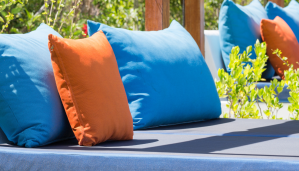
Home Décor Creators: Polyester and heavy-duty thread are your best friend for home décor projects! Polyester allows for heat exposure, is water and mildew resistant in case your projects get wet outdoors or inside, and comes in many colors so you can find the right match for your designs. You can also find a UV-treated version if your project gets a lot of sun.
Heavy-duty thread is ideal if you plan on adding any topstitching or designs to your project as this material is long-lasting and has a heavy-duty strength that can handle constant movement, like a pillow being stretched, or heavy usage, like an outdoor cushion being used.
You can also check out lesser-known thread types like nylon, which is one of the strongest synthetic threads you can find today, or Monofilament, which is a thread that looks similar to a fishing line but can be used on projects like canvas projects or outdoor upholstery like cushions.
Quilters: For piecing, we recommend using cotton. Since cotton fabric is a common choice for quilting and is a soft material, using this thread type will keep you away from heavier threads that might affect the seam allowance or cause bunching. In our JUKI studio, we use Aurifil, a 50-weight thread!
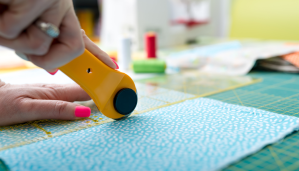
For embroidery, applique, and free-motion quilting, we can recommend nylon, metallic threads, or rayon! When you add free-motion quilt designs to your projects, these threads will show beautifully. Have fun and enjoy the colors available in these thread options, and use them to create mesmerizing designs on your next quilt!
You can, of course, use cotton and polyester here as well! A fun fact to remember is that cotton for free motion quilting will show more on your projects because of the available thread weight options. With a polyester thread, you can create a size as small as 100 wt, helping your thread almost hide into the quilt instead of standing out with the design.
We hope this helps you find the right thread for your next project and begin creating! What do you want to learn about next? Let us know down below!
 sewinwithjuki.com